How Far Can You Push an ESP32?
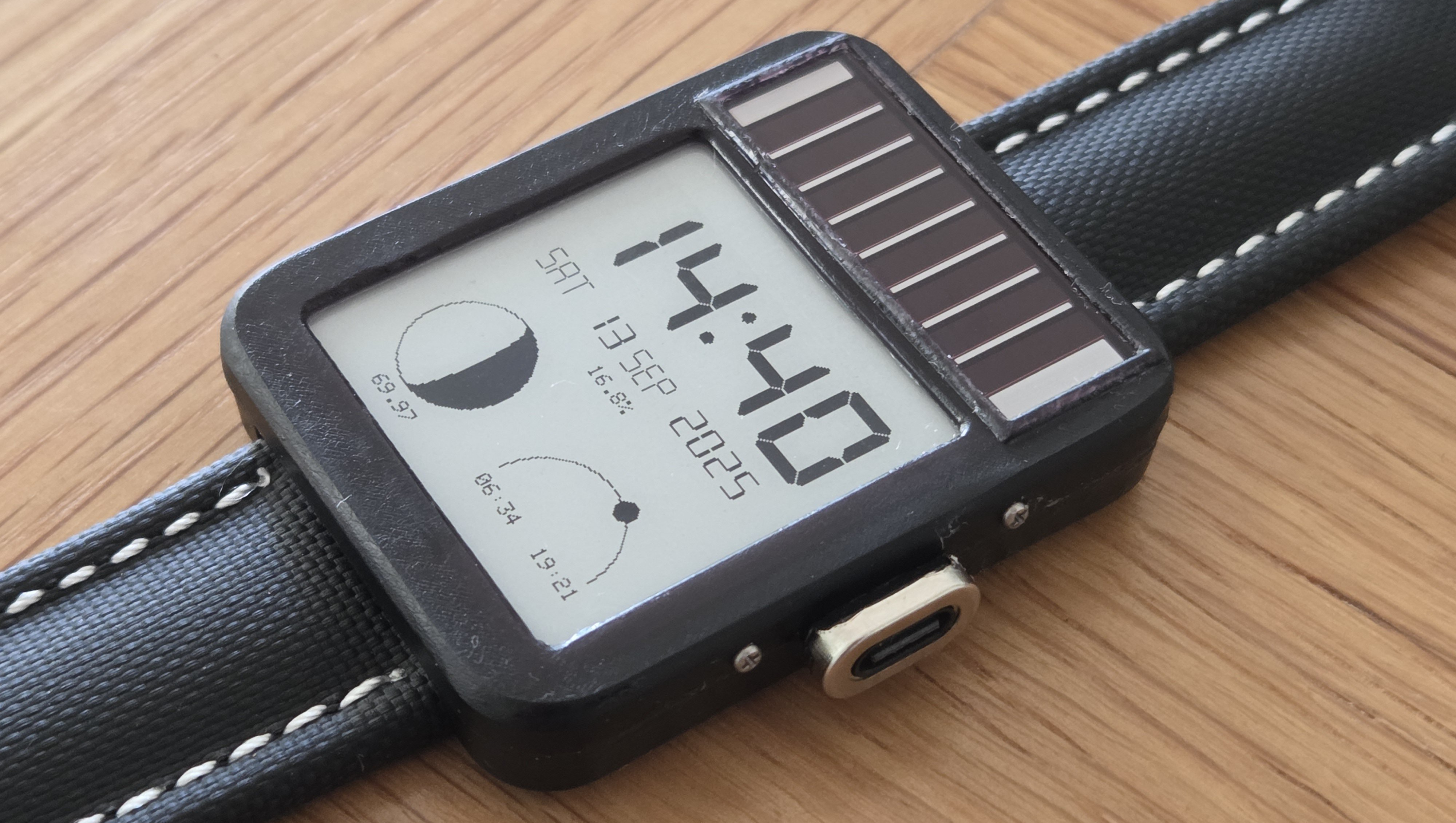
Daniel Ansorregui's LightInk project began with a simple goal: build a modern version of the solar-powered digital watches that seemed to run forever during the 1980s and 1990s. Instead of a basic LCD display, however, LightInk combines an ESP32, an e-paper display, capacitive touch controls, and optional wireless features such as LoRa and GPS. The challenge wasn't adding these features. The challenge was keeping them from draining the battery.
The Real Power Problem
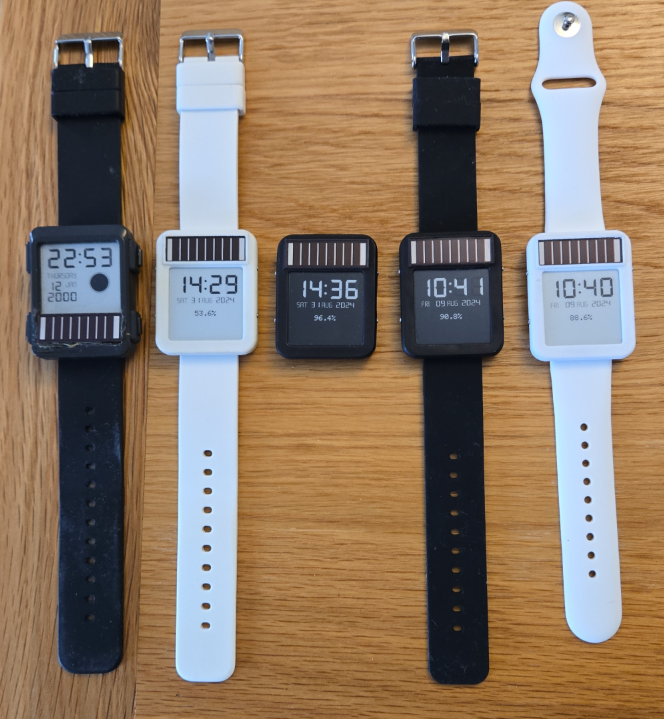
The project traces its roots back to 2019 when Ansorregui began experimenting with solar-powered watch designs. Early prototypes were based on existing hardware, including the Watchy open-source e-paper watch.
While Watchy provided a solid foundation, battery life wasn't where he wanted it to be. Even with solar assistance, runtime was measured in months rather than years.
Digging deeper revealed an unexpected culprit. According to Ansorregui, a large percentage of the watch's energy consumption wasn't coming from updating the display or running applications. It was coming from the ESP32 boot process.
The chip required roughly 28 milliseconds to boot, consuming more energy than many of the watch's actual tasks.
Rewriting the Rules
Rather than accepting that limitation, Ansorregui went in a different direction.
The project makes extensive use of the ESP32's wake stub functionality, which allows code stored in RTC memory to run before the processor performs its normal boot sequence. The approach bypasses flash memory and significantly reduces startup overhead.
However, there was a catch. Since normal firmware functions aren't available in that environment, essential features had to be recreated from scratch. SPI communication, display handling, and hardware access all needed new implementations capable of running from RTC memory.
The effort took months, but the payoff was substantial.
By updating the e-paper display directly from the wake stub, the watch can wake, communicate with the display, and return to deep sleep in under a millisecond. Ansorregui reports that this reduced overall power consumption enough to roughly double battery life compared to earlier designs.
Built Around Efficiency
The hardware was designed with similar goals in mind.
A TPS63900 buck-boost converter provides power management, while the design removes components that consume energy unnecessarily. For example, the project avoids using an accelerometer because even disabled sensors can contribute to standby power consumption.
Instead of physical buttons, LightInk uses capacitive touch controls. The watch also includes a piezo speaker, vibration motor, LED illumination, and optional support for LoRa and GPS modules.
Not every feature survived the optimization process. GPS, in particular, is described by Ansorregui as a questionable addition due to its power requirements, and future revisions may simplify portions of the design further.
Chasing Infinite Runtime
Updating the time consumes roughly 2 microamps of current. Under those conditions, a 200 mAh battery could theoretically keep the watch running for more than a year, with the solar cell helping replenish energy along the way.
Whether LightInk eventually becomes a product seems almost beside the point. The project was created as an engineering challenge, and much of its value comes from the techniques developed along the way.
For anyone building ultra-low-power electronics, LightInk offers an interesting lesson: sometimes the biggest gains don't come from choosing a larger battery. They come from questioning assumptions about how the hardware should operate in the first place.